Fragmented portfolio visibility
Asset, pipeline, and project information live in different systems and reports.
From the first investment decision through stabilization and exit, asset managers need a clear line between underwriting assumptions, execution, and actual performance. SEIN connects those parts of the lifecycle so teams can see where an asset needs attention.

As portfolios grow, the answer depends on more than a quarterly report. Teams need to see what was underwritten, what is happening on the ground, and what has changed across assets.
“Which assets are off plan, what is driving the variance, and what do we tell our LPs?”
The underlying information may sit across the deal pipeline, project teams, property operations, and reporting files. SEIN brings the relevant context into one operating picture.
Fragmented information can delay decisions. The goal is a consistent line of sight from the investment thesis to the work being done and the performance that follows.
Asset, pipeline, and project information live in different systems and reports.
Schedule or budget changes may not be connected back to underwriting assumptions soon enough.
Teams spend time assembling updates instead of reviewing the underlying changes.
Comparing performance by fund, asset class, market, or strategy takes extra work.
Unclear owners and handoffs slow the response when an asset needs action.
The goal is to make your team’s decisions and handoffs easier to follow, with information that supports the work.
Explain asset performance in the context of the investment plan.
Preserve the assumptions and rationale behind acquisition decisions.
See execution changes early enough to review their effect on returns.
Start with Rover, Sherpa, or Atlas based on your needs. Each product works independently; connect them when it helps your team carry decisions into delivery and ongoing oversight.
 Rover
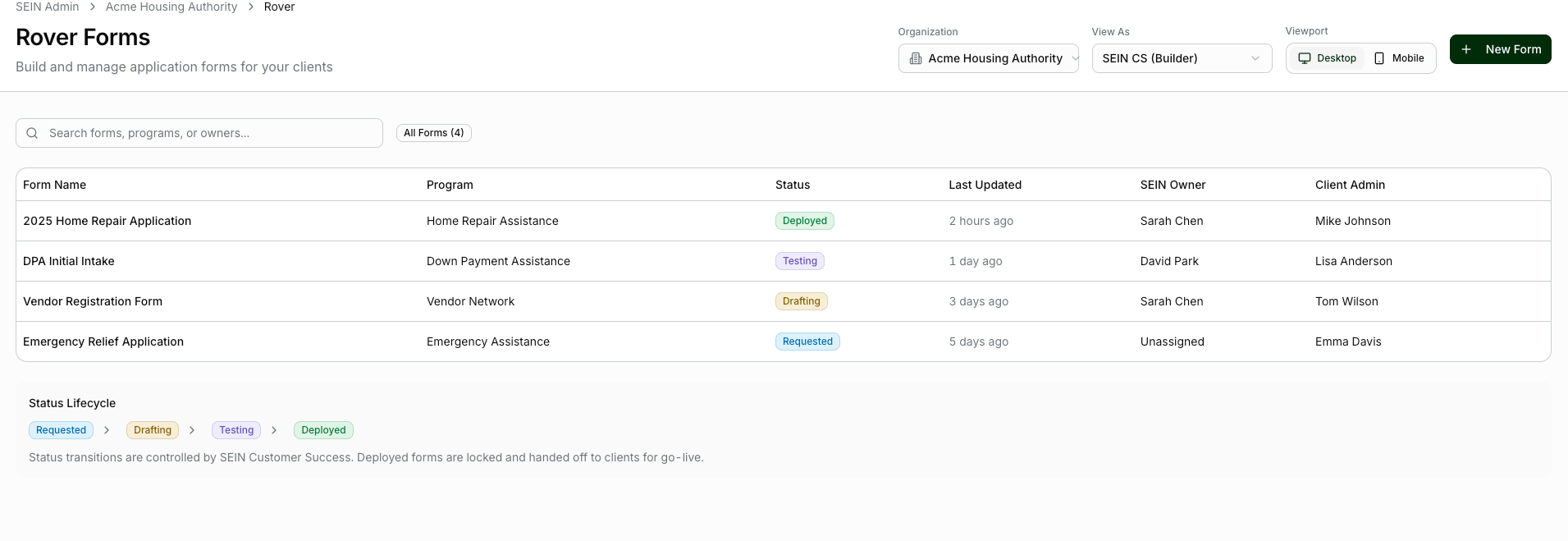
Rover gives the investment team a structured place to track opportunities, assumptions, diligence, and decisions before a deal becomes an asset.
Use Case: Acquisition pipeline and diligence
Outcome to pursue: Preserve the assumptions and rationale behind acquisition decisions.
Sherpa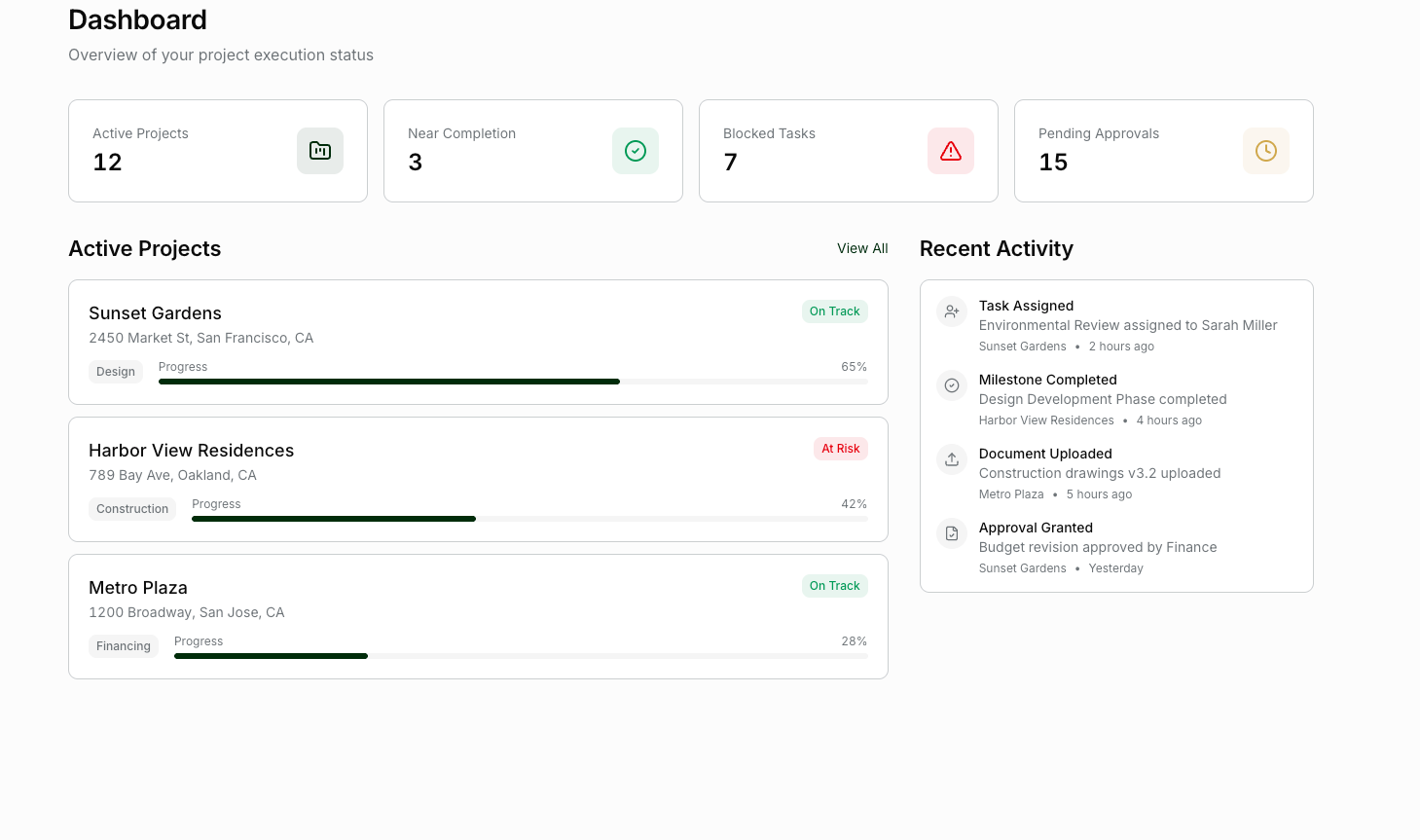
After an acquisition or approval, execution can diverge from the assumptions behind the investment. Sherpa coordinates project teams, vendors, budgets, and milestones from pre-development through stabilization.
Use Case: Capital project execution
Outcome to pursue: See execution changes early enough to review their effect on returns.
Atlas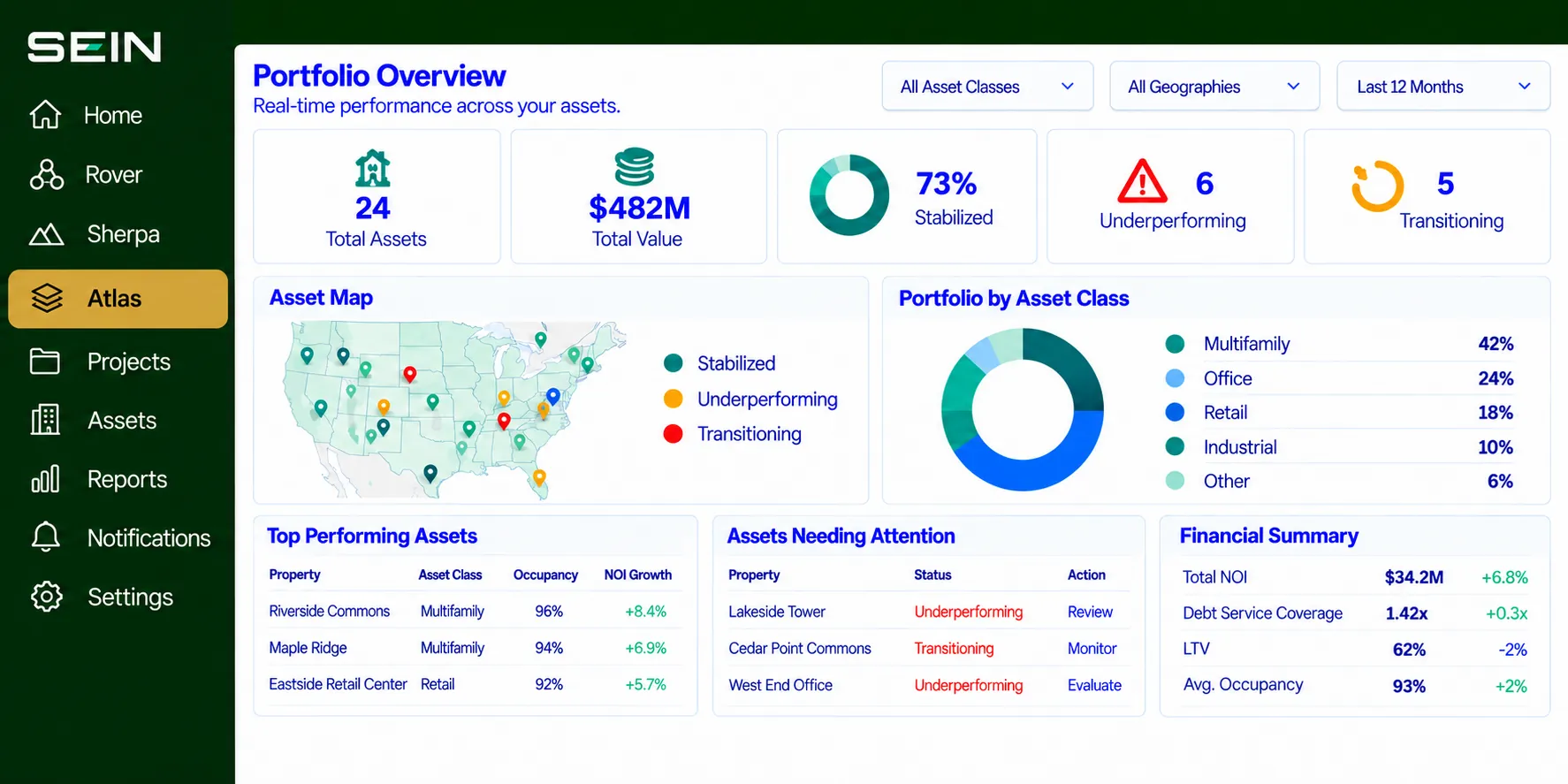
Atlas connects portfolio, financial, and operational information with project execution and acquisition decisions. The team can compare assets and investigate where performance differs from the plan.
Use Case: Underwriting-to-performance review
Outcome to pursue: Explain asset performance in the context of the investment plan.
These scenarios show how a team could use the operating stack.
Rover captures a potential acquisition, keeps diligence and underwriting assumptions together, and shows the next decision owner. If approved, the plan moves into Sherpa for execution and later into Atlas for performance review.
Useful Question: Can we trace the decision and assumptions behind this asset?A permit milestone slips or a vendor forecast changes. Sherpa shows the affected tasks and budget implications. The asset team can compare the change with underwriting and agree on a response before the next review cycle.
Useful Question: What changed, who owns the response, and how does it affect the plan?As a property approaches stabilization, the team reviews remaining project work, operational measures, and the assumptions made at acquisition in one connected context.
Useful Question: Is the asset progressing toward the performance we expected?Atlas groups assets by fund, geography, strategy, or asset class so managers can review status, investigate outliers, and prioritize the next conversation.
Useful Question: Which variances are isolated, and which reflect a broader pattern?An LP asks why an asset is behind its original plan. The team reviews the underwriting assumptions, the project timeline, current asset performance, and documented actions before preparing its response.
Useful Question: Can we explain the variance and the response with a clear record?Investor reporting is more useful when the team can connect a performance change to the original decision and the execution that followed. SEIN can help organize those inputs for review and communication.
Reporting formats, data availability, and access are defined with each organization.
Spend less time assembling updates and more time assessing investment priorities, project exceptions, and the performance context behind each asset.
These are potential evaluation measures, not reported customer outcomes. Data connections and calculations depend on the agreed implementation.
Review utilization, available condition information, and capital improvements together to identify opportunities to strengthen long-term asset value.
Map an actual deal, project, or portfolio question first. Then configure the information and workflows needed to evaluate the approach in practice.
Tell us where work gets stuck. We’ll explore where SEIN could help.