Portfolio context is scattered
Property condition, financial information, documents, and activity sit in different places. Teams struggle to compare needs and identify investment priorities.
Your team is accountable for properties, investment decisions, partner commitments, and the delivery of housing projects. Bring the information and work together so you can see where to act and keep progress moving.

Housing authorities need to understand their portfolio, assess development and redevelopment opportunities, coordinate partners, and deliver approved work. When those activities live in separate systems, teams spend time rebuilding the picture before they can act.
“Which properties need investment, which opportunities are ready, and what is holding up delivery?”
Leadership needs a connected answer across portfolio records, proposals, funding, projects, and compliance obligations.
The consequence reaches beyond administration: decisions wait, teams repeat work, and leadership gets a partial view of the portfolio.
Property condition, financial information, documents, and activity sit in different places. Teams struggle to compare needs and identify investment priorities.
Partners, proposals, review criteria, and approvals move through email and files. An unclear next step can delay a development decision.
Milestones, budgets, and compliance items are tracked separately. Exceptions become harder to explain and address before they affect delivery.
Leadership and stakeholder updates require manual assembly, leaving less time for the decisions and follow-up that move housing work forward.
The goal is to make your team’s decisions and handoffs easier to follow, with information that supports the work.
Know which properties, risks, and investments need attention.
Move development opportunities and partner proposals toward a documented decision.
Keep approved projects, budgets, compliance, and ownership visible through completion.
Start with Rover, Sherpa, or Atlas based on your needs. Each product works independently; connect them when it helps your team carry decisions into delivery and ongoing oversight.
SEIN connects opportunity and partner coordination, project execution, and property intelligence. Your team keeps relevant context connected, with workflows configured around your responsibilities.
 Rover
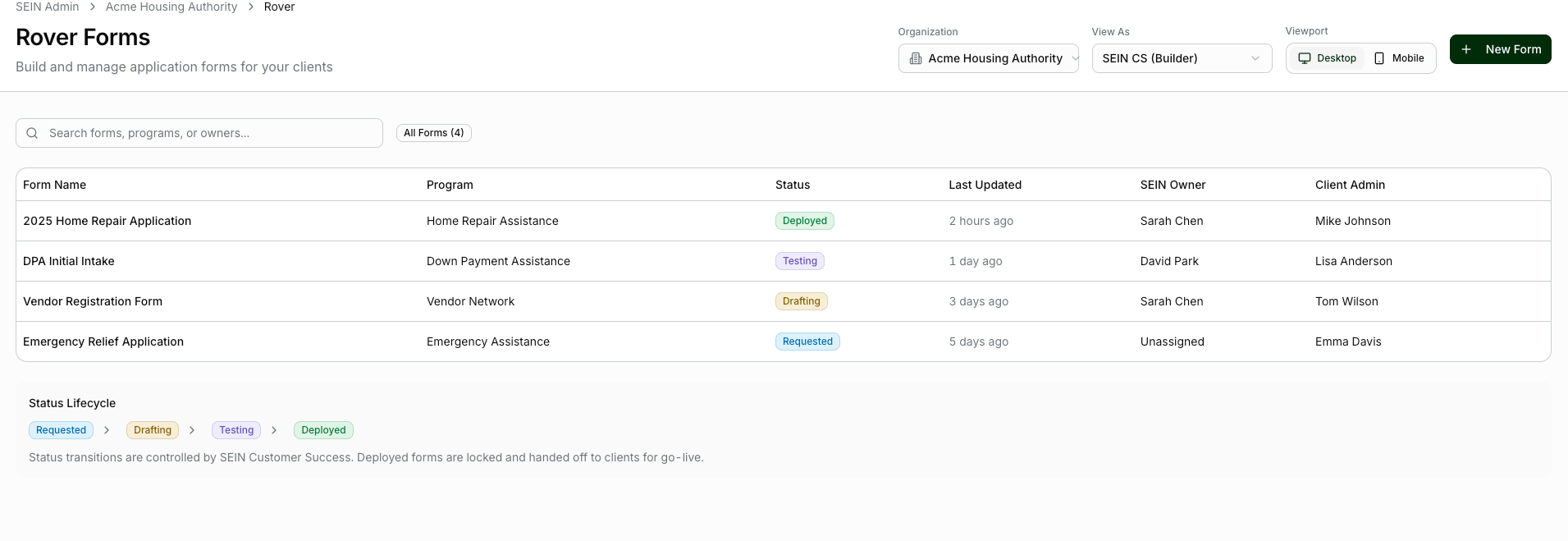
Keep the opportunity, partner qualifications, proposals, evaluation criteria, and decision record together so teams can see what is ready and what needs follow-up.
Use Case: Development pipeline and partner selection
Outcome to pursue: Move development opportunities and partner proposals toward a documented decision.
Sherpa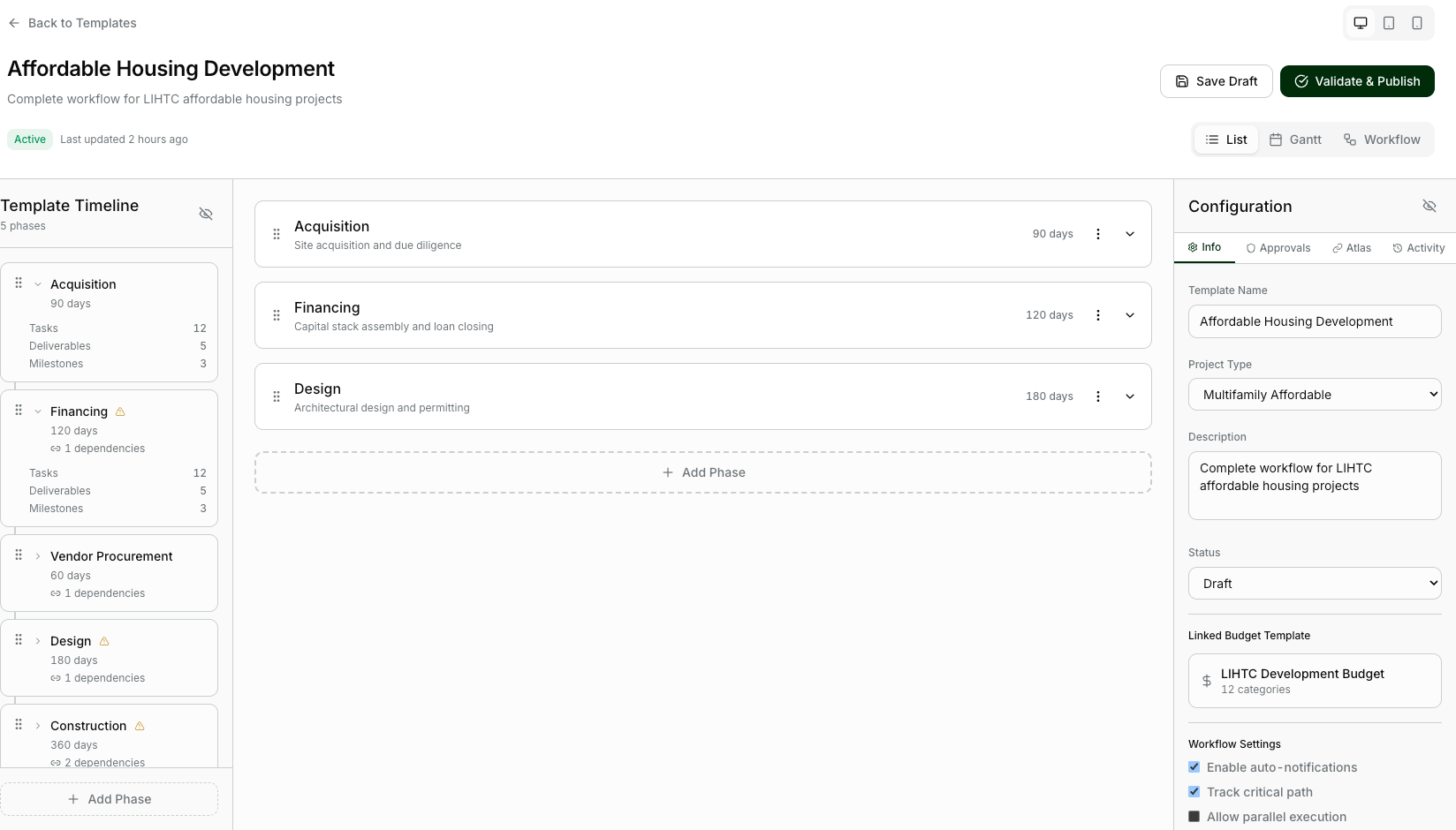
Coordinate phases, tasks, deliverables, milestones, approvals, documents, budgets, and responsible partners through project completion.
Use Case: Housing development milestones and compliance
Outcome to pursue: Keep approved projects, budgets, compliance, and ownership visible through completion.
Atlas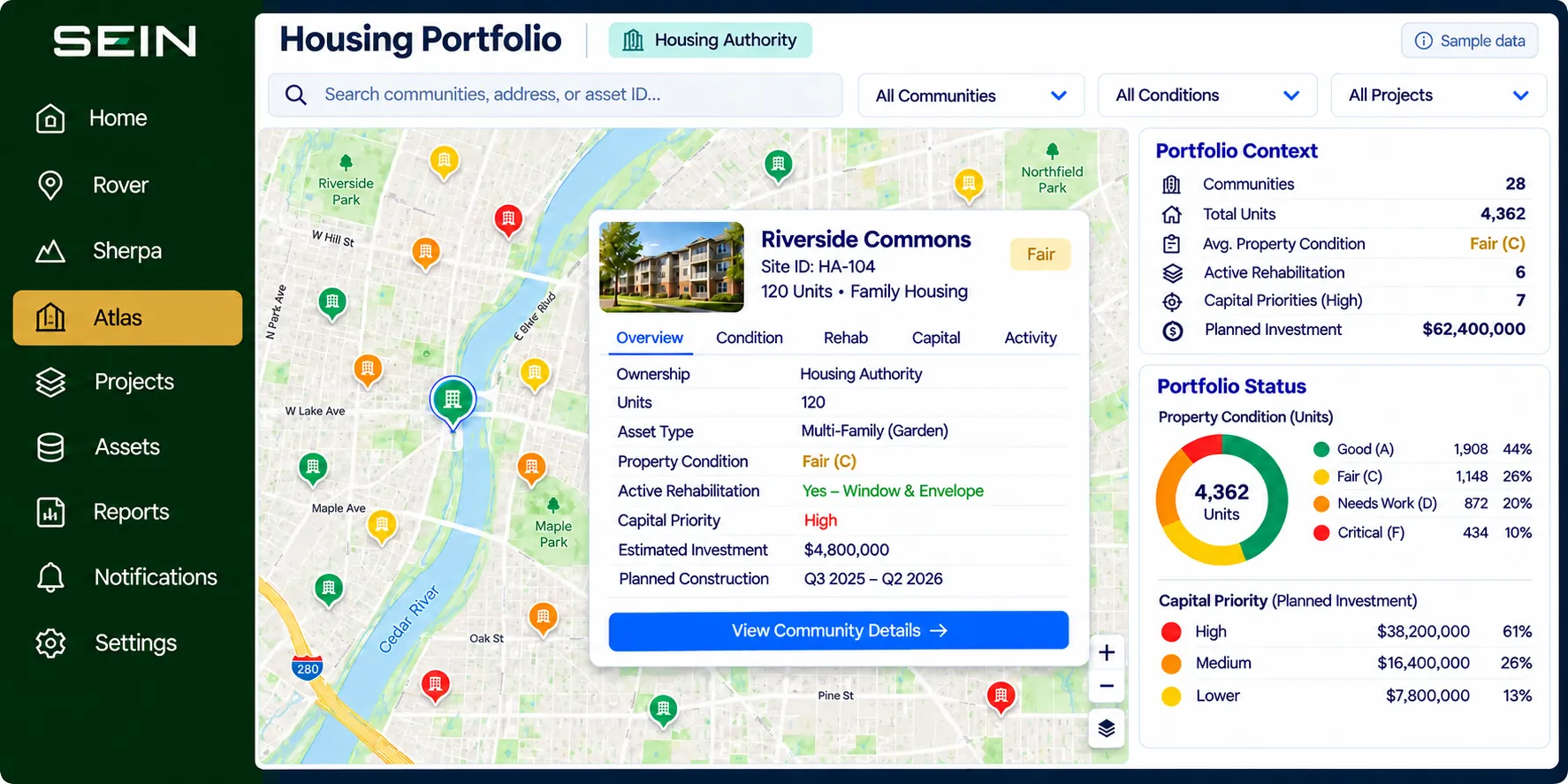
Bring property, financial, legal, stewardship, and project information into a shared view so teams can explore asset context and investment priorities.
Use Case: Housing portfolio and investment priorities
Outcome to pursue: Know which properties, risks, and investments need attention.
Explore how your team could use SEIN to address these challenges. Workflows, data sources, and success measures are defined around your operation.
The Challenge: An authority identifies an underused property, but asset records, partner proposals, and approval conditions are reviewed separately.
How SEIN helps: Atlas provides the available property context. Rover organizes proposals, evaluation criteria, and the selection record. Sherpa follows the selected partner’s agreed commitments and milestones.
What better looks like: A traceable path from property review to partner selection and delivery responsibilities.
The Challenge: A roof replacement is approved, but a missing document or unresolved approval delays the next milestone. Leadership needs an answer before the next review.
How SEIN helps: Sherpa connects the project plan, approval requirements, owners, budget checkpoints, and closeout documents. Atlas keeps the work associated with the relevant property.
What better looks like: Staff can explain the blocker, assign follow-up, and review progress against the agreed plan.
The Challenge: Leadership must balance several improvement projects but receives disconnected property summaries and project updates.
How SEIN helps: Atlas brings available asset information into a shared portfolio context. Sherpa supplies project milestones and exceptions so the team can review priorities with supporting detail.
What better looks like: A clearer discussion of where attention is needed and which decisions would move the work forward.
Work toward less manual coordination, clearer portfolio priorities, and more accountable partner and project handoffs.
Connect property condition, use, and capital priorities to focus improvements and support the long-term value of the portfolio.
Map the current operation, agree on the needed information and handoffs, configure the workflow, and validate it with the people who will use it. Expand as the process proves useful.
Bring a portfolio question, an opportunity, or an active project.
We will review what your team needs to see and do, then confirm product fit, integration requirements, and implementation scope together.
Tell us where work gets stuck. We’ll explore where SEIN could help.