Portfolio information in silos
Location and asset records vary across business units.
Corporate real estate teams manage sites, leases, workplace needs, partners, and capital projects across business units. Decisions improve when location context and delivery work stay connected.

Corporate real estate teams manage sites, leases, workplace needs, partners, and capital projects across business units. Decisions improve when location context and delivery work stay connected.
“Which sites meet our needs, and which projects are at risk?”
SEIN can help connect the relevant information, people, and work. The right workflow depends on your current systems and operating model.
These are common operating challenges to explore with your team. Their scope and priority vary by organization.
Location and asset records vary across business units.
Site choices and vendor decisions have many stakeholders.
Fit-outs and improvements move through interdependent tasks.
The goal is to make your team’s decisions and handoffs easier to follow, with information that supports the work.
Review location records and active projects across business units.
Connect site and vendor approvals to the business requirement.
Coordinate fit-out and relocation milestones with fewer unclear handoffs.
Start with Rover, Sherpa, or Atlas based on your needs. Each product works independently; connect them when it helps your team carry decisions into delivery and ongoing oversight.
Three product roles connect decisions, execution, and insight. The sequence and configuration depend on the work your team needs to run.
 Rover
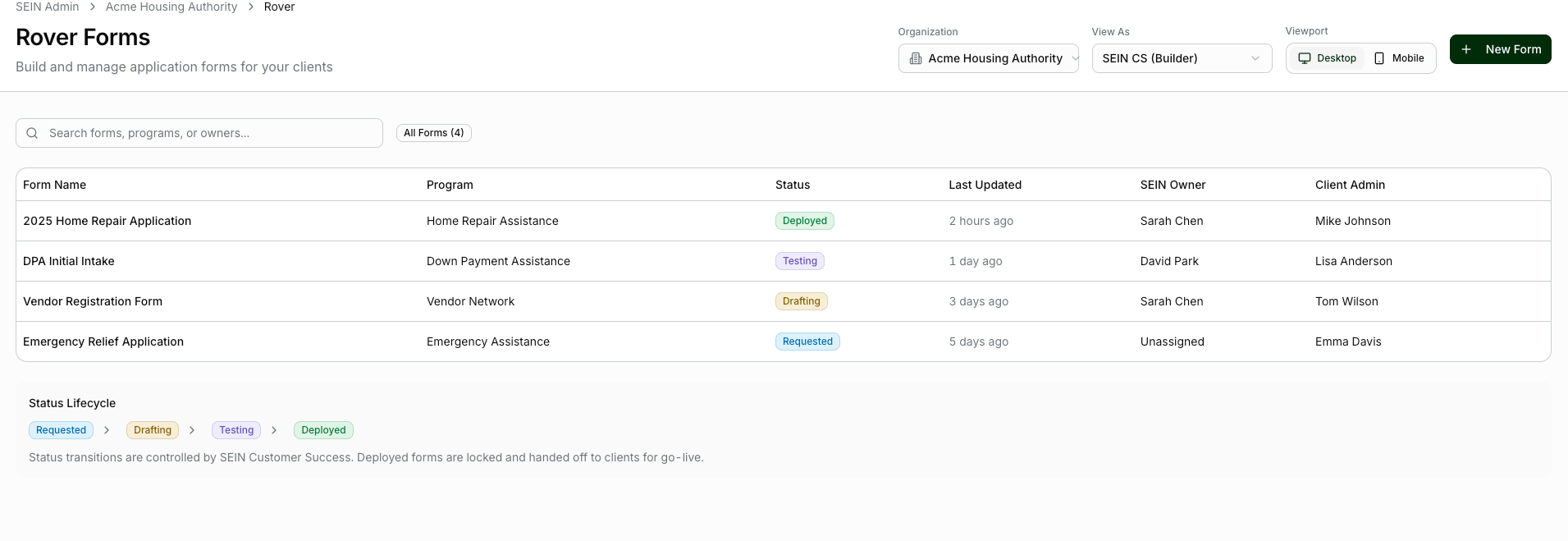
Organize candidate locations, vendor proposals, decision criteria, and approvals.
Use Case: Site and vendor approvals
Outcome to pursue: Connect site and vendor approvals to the business requirement.
Sherpa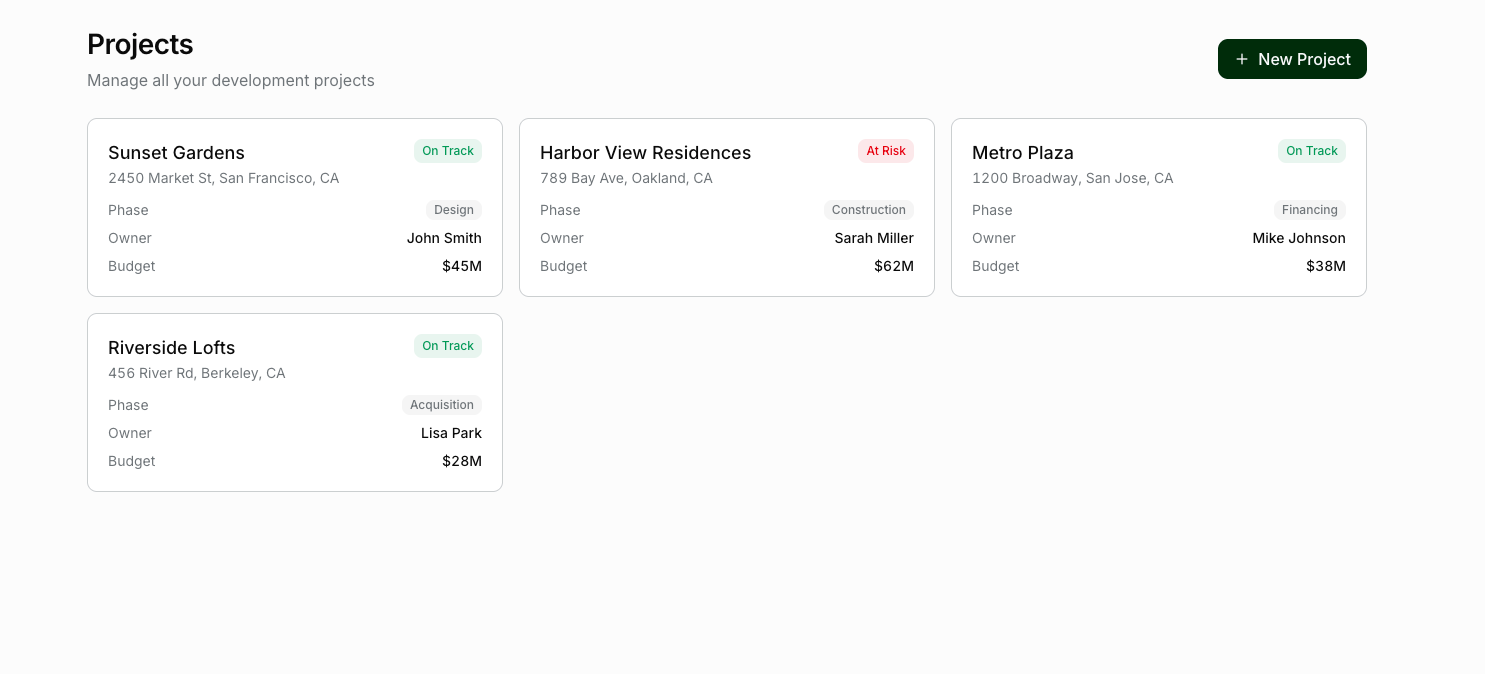
Coordinate fit-out, relocation, and improvement milestones, budgets, and handoffs.
Use Case: Fit-out and relocation delivery
Outcome to pursue: Coordinate fit-out and relocation milestones with fewer unclear handoffs.
Atlas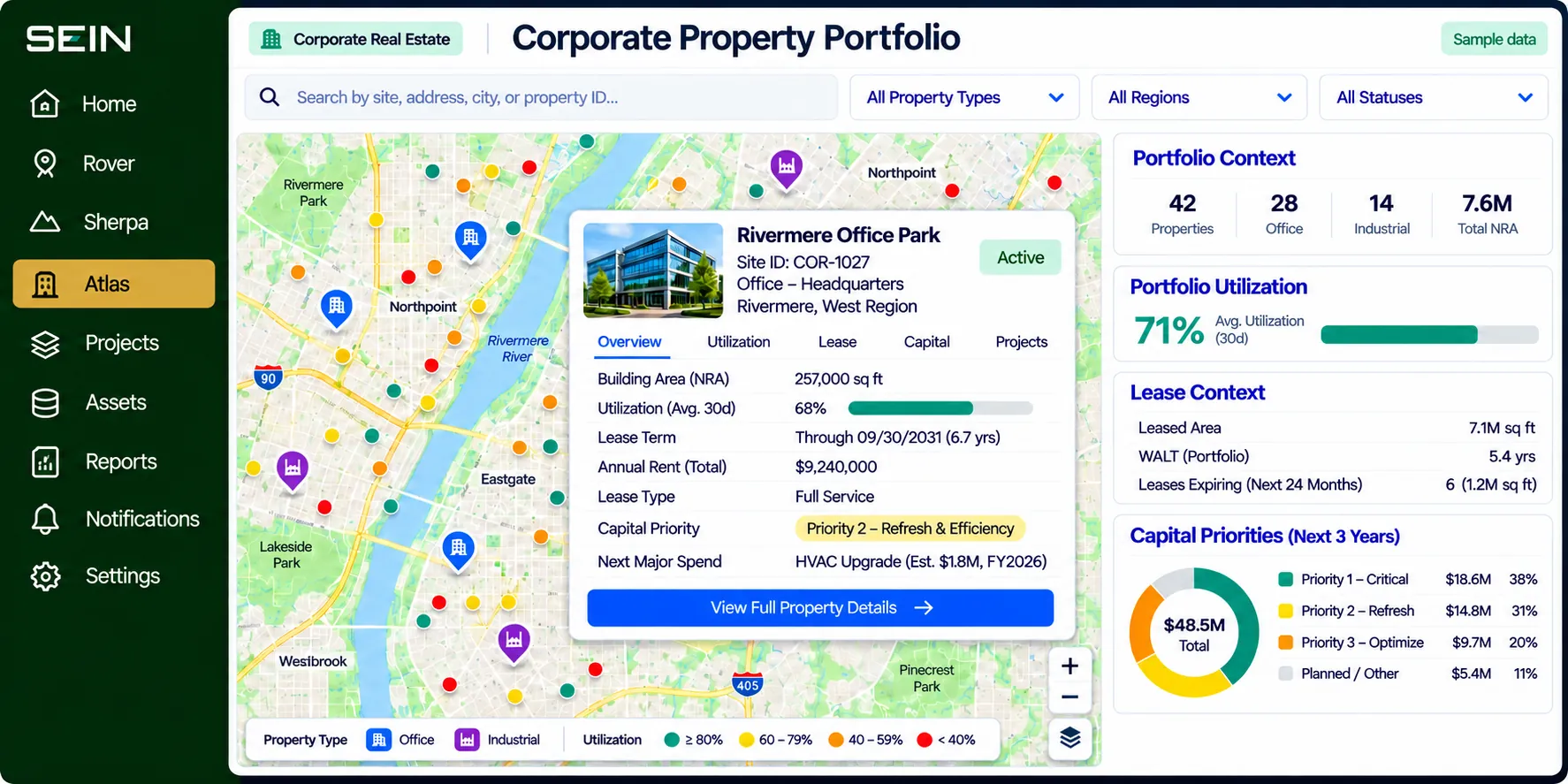
Review locations, available portfolio context, and active work across the estate.
Use Case: Location and capital-project oversight
Outcome to pursue: Review location records and active projects across business units.
A team evaluates two locations. Rover keeps requirements, site diligence, partner proposals, and decision rationale together.
Discussion Prompt: What information would your team need at this decision?Sherpa shows permit, vendor, procurement, and move dependencies with clear owners.
Discussion Prompt: Which handoff or exception is hardest to track?Atlas helps compare locations and active project status before a future lease or capital decision.
Discussion Prompt: What evidence would make this review more useful?Connect location decisions and improvement projects so teams can coordinate change, reduce manual reporting, and direct capital toward business priorities.
Bring location use, available condition information, and capital projects together to inform reuse, consolidation, and investment decisions.
In an operations assessment, we map how opportunities enter, who makes decisions, what happens after approval, and which records your team relies on. We then define the right product scope and implementation path together.
Start with one workflow that matters.
Define stages and roles, connect the required information, validate the handoffs with users, then expand to related work as the process proves useful.
Tell us where work gets stuck. We’ll explore where SEIN could help.