Scattered deal flow
Potential sites and diligence live across teams and files.
Development value can erode when underwriting, partners, budgets, and project execution become separate conversations. Keep the plan visible as work moves from pursuit to asset.

Development value can erode when underwriting, partners, budgets, and project execution become separate conversations. Keep the plan visible as work moves from pursuit to asset.
“Where has the approved development plan changed, and who can act?”
SEIN can help connect the relevant information, people, and work. The right workflow depends on your current systems and operating model.
These are common operating challenges to explore with your team. Their scope and priority vary by organization.
Potential sites and diligence live across teams and files.
Schedule and budget decisions lose their connection to underwriting.
Delivered assets are reviewed without the decisions that shaped them.
The goal is to make your team’s decisions and handoffs easier to follow, with information that supports the work.
Review asset performance against the investment assumptions.
Compare deals with diligence and partner context intact.
Keep budget, schedule, and approval changes visible against the plan.
Start with Rover, Sherpa, or Atlas based on your needs. Each product works independently; connect them when it helps your team carry decisions into delivery and ongoing oversight.
Three product roles connect decisions, execution, and insight. The sequence and configuration depend on the work your team needs to run.
 Rover
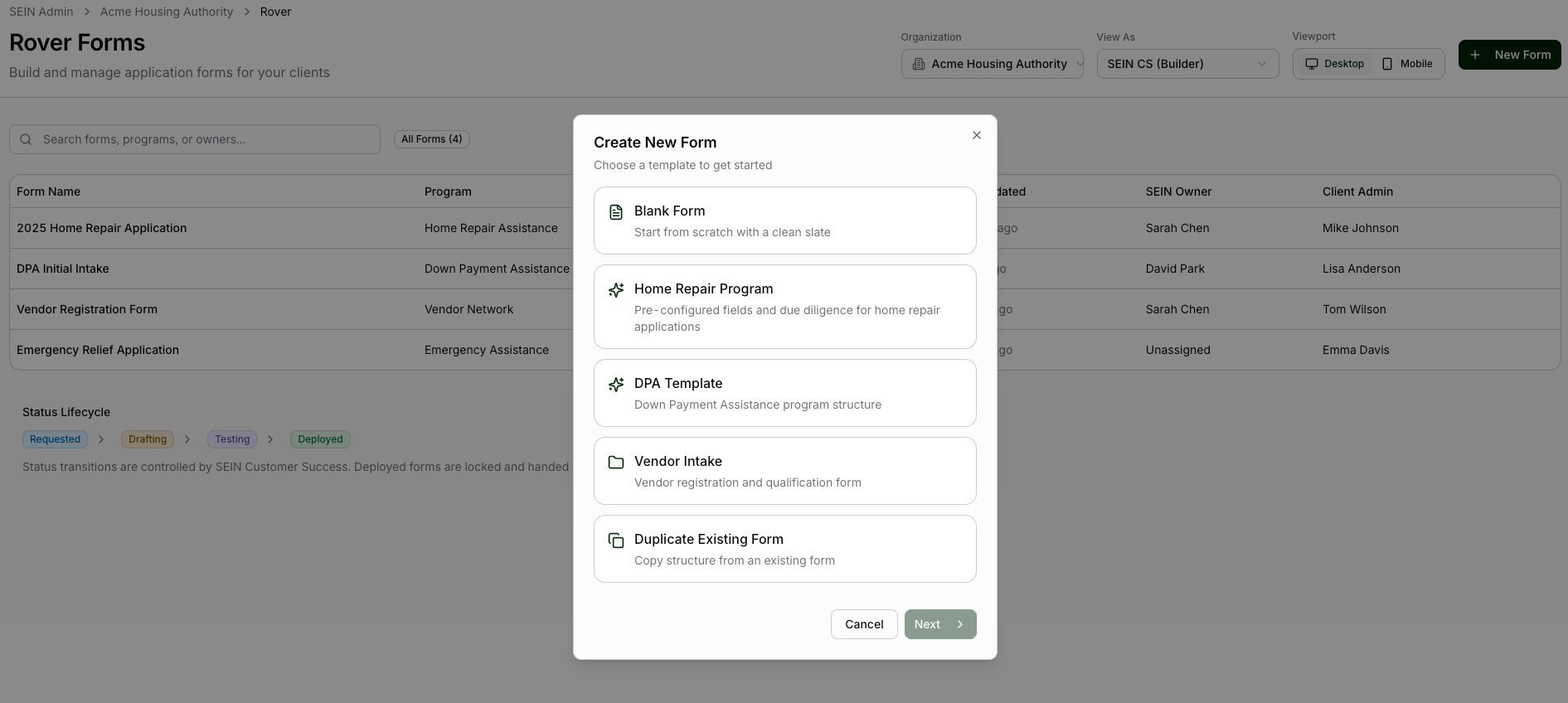
Organize deal flow, underwriting assumptions, diligence, and partner decisions.
Use Case: Deal evaluation and partner selection
Outcome to pursue: Compare deals with diligence and partner context intact.
Sherpa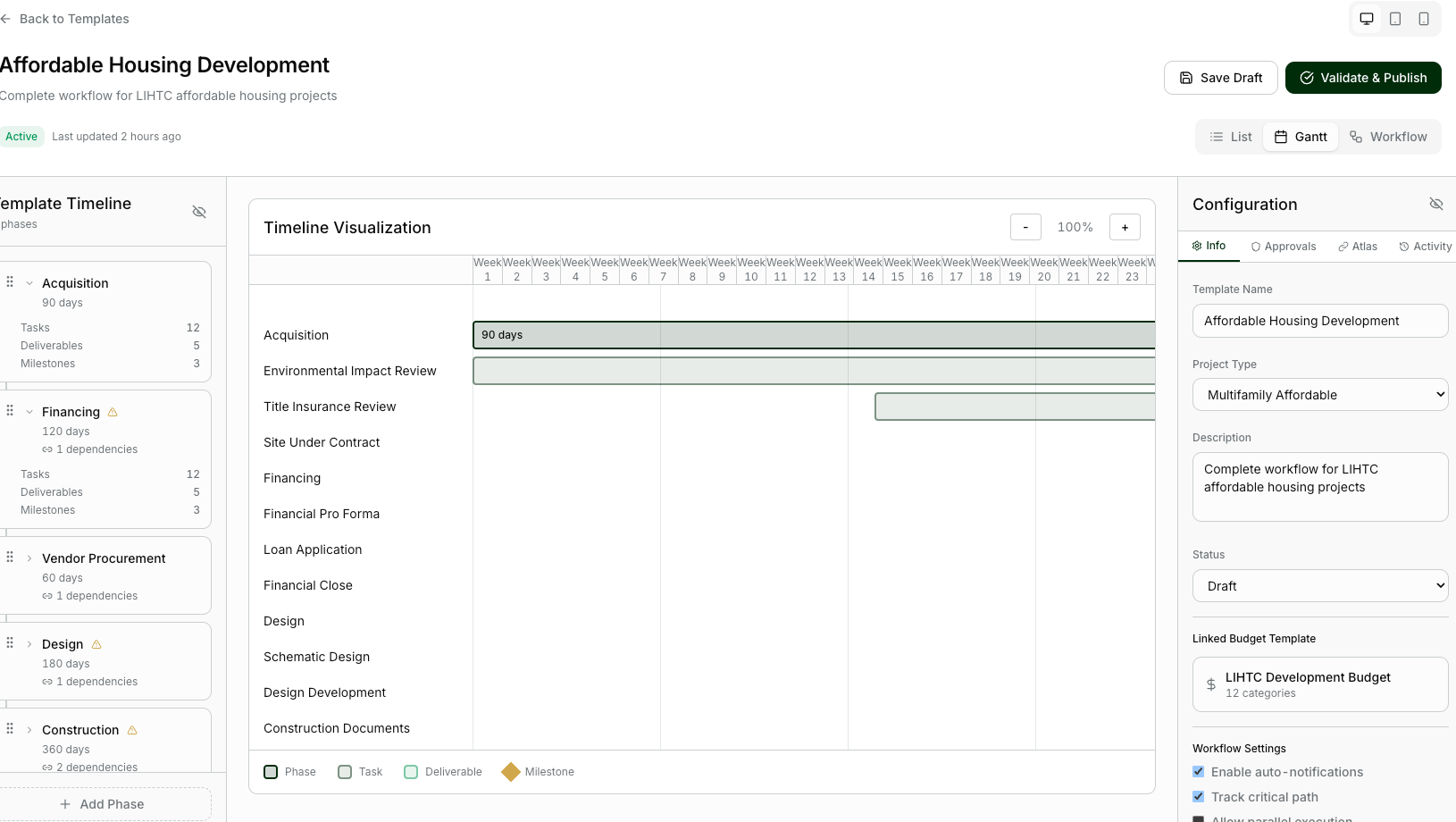
Coordinate approvals, vendors, budget checkpoints, risks, and construction milestones.
Use Case: Development budget and milestone control
Outcome to pursue: Keep budget, schedule, and approval changes visible against the plan.
Atlas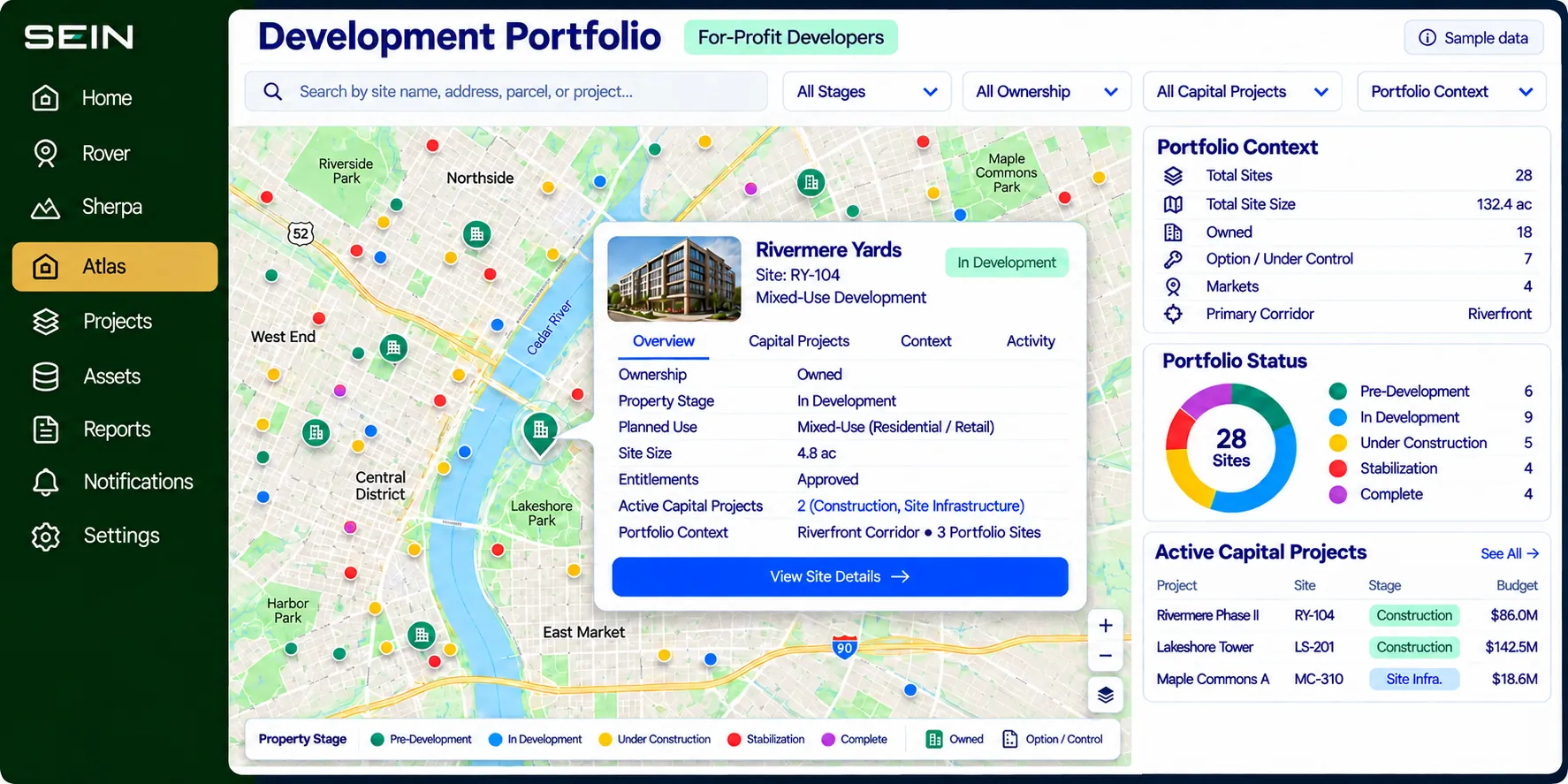
Review site and asset performance in the context of the original investment plan.
Use Case: Asset performance against underwriting
Outcome to pursue: Review asset performance against the investment assumptions.
Explore how your team could use SEIN to address these challenges. Workflows, data sources, and success measures are defined around your operation.
The Challenge: Two sites look promising, but diligence findings, partner proposals, and underwriting assumptions are scattered across files and conversations.
How SEIN helps: Rover organizes each opportunity’s assumptions, outstanding diligence, evaluation inputs, and decision owner. Atlas provides relevant property context for the review.
What better looks like: A more consistent investment discussion with a record of the rationale behind the selected opportunity.
The Challenge: A permit milestone slips, affecting a contractor start date and the approved delivery plan. The change has not reached every responsible party.
How SEIN helps: Sherpa connects the affected milestone, dependencies, owners, and budget checkpoints. The team records the revised plan and reviews the change against the commitments carried from Rover.
What better looks like: A clearer view of what changed, who must respond, and which parts of the plan need review.
The Challenge: As construction finishes, the operating team inherits a property without a clear record of the investment assumptions or remaining project obligations.
How SEIN helps: Sherpa keeps closeout tasks and unresolved commitments visible. Atlas brings available asset and performance context together for comparison with the approved investment plan.
What better looks like: A more informed handoff from development to operations and a basis for reviewing performance.
Keep deal rationale, partner responsibilities, and project progress connected to support informed capital decisions and fewer unclear handoffs.
Connect property context, utilization, and improvement work to identify where repositioning or capital investment could create more value.
In an operations assessment, we map how opportunities enter, who makes decisions, what happens after approval, and which records your team relies on. We then define the right product scope and implementation path together.
Start with one workflow that matters.
Define stages and roles, connect the required information, validate the handoffs with users, then expand to related work as the process proves useful.
Tell us where work gets stuck. We’ll explore where SEIN could help.